New Payment Flow Intelligence analysis explores why successful payments may leave customer issues unresolved and how to improve post-payment workflows.
Miami, United States (PRUnderground) November 3rd, 2026
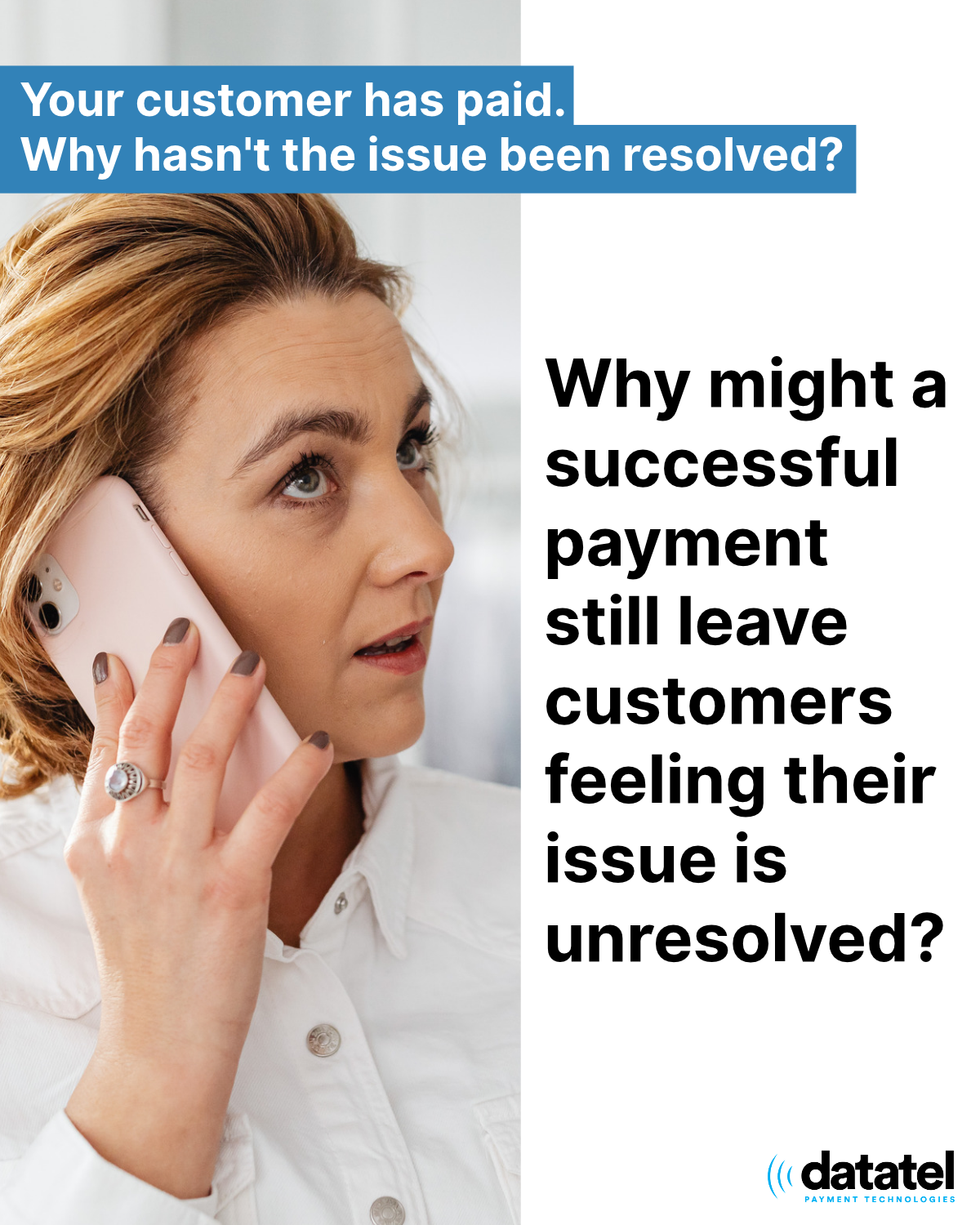
Datatel Communications Inc. (USA) and Datatel Inc. (Canada), providers of secure payment technology, IVR Payments, and payment advisory services, are highlighting an operational challenge affecting broadband and utility providers: customers successfully complete a payment yet remain uncertain about whether their account or service issue has been resolved.
For broadband and utility organizations, accepting a payment is only one part of the customer experience. What happens after the transaction can be equally important in determining customer satisfaction, operational efficiency, and the need for additional customer service interactions.
Consider a broadband customer whose service has been interrupted because of an outstanding balance. The customer calls, makes a payment, and receives confirmation that the transaction was approved. However, the customer may still not know when service will be restored.
Similarly, a utility customer may pay an overdue bill but remain uncertain about whether the payment has been reflected in the billing system, whether further action is required, or when the account status will change.
In both situations, the payment process may have worked exactly as intended, yet the customer's underlying issue remains unresolved.
Looking Beyond the Payment Transaction
Datatel's Payment Flow Intelligence Framework™ encourages organizations to examine the complete payment journey, including how payment information moves between systems, where employees become involved, how operational decisions are made, and what customers are told after completing a transaction.
In many broadband and utility environments, payment processing, billing, account management, service restoration, and customer communications operate across different systems and departments.
While each component may function correctly, a lack of coordination between them can create unnecessary customer service interactions, manual follow-ups, and uncertainty for customers.
"Organizations have invested significantly in making it easier for customers to pay, but we also need to examine what happens after that payment is completed," said Barnard Crespi, Co-CEO of Datatel. "A successful transaction does not necessarily mean the customer's issue has been resolved. The real opportunity is to connect payment activity with the operational processes and communications that follow."
Improving Customer Experience Through Payment Flow Intelligence
For broadband and utility providers, improving payment workflows requires looking beyond the payment channel itself.
Customer service employees may receive calls from customers who have already paid but need confirmation of account updates, service restoration, or other next steps. When employees lack visibility into these processes, they may need to consult additional systems or coordinate with other departments to provide an answer.
These additional interactions can increase service costs, create unnecessary work, and adversely affect the customer experience.
Datatel recommends that organizations begin by examining one common customer payment journey and asking three fundamental questions:
1. What needs to happen after the payment is approved?
2. Who or what system is responsible for completing the next step?
3. How does the customer know when the issue has been resolved?
By understanding these dependencies, organizations can identify opportunities to improve system coordination, automate routine activities, provide clearer customer communications, and reduce unnecessary follow-up calls.
"Payment automation should not end when the transaction is approved," added Crespi. "Organizations need to understand how money moves through their business and how that movement connects to the customer experience. That is where meaningful operational improvements can begin."
Helping Organizations Understand How Money Moves
Through its Payment Flow Intelligence approach, Datatel works with organizations to examine existing payment processes, identify operational friction, and explore opportunities to improve efficiency, customer experience, and payment security.
For broadband and utility providers, this can include evaluating IVR Payments, account lookup and updates, payment confirmations, customer notifications, and the operational workflows that follow a successful payment.
Broadband and utility executives interested in identifying gaps in their payment workflows can schedule a How Money Flows™ discussion with Datatel.
Request a Payment Flow Discussion:
https://www.datatel-systems.com/money-flow-session/
Direct Links:
- Understanding How Money Moves™ Executive Session > https://www.datatel-systems.com/money-flow-session/
- Payment Flow Intelligence Framework™ > https://www.datatel-systems.com/services/
- IVR Payments > https://www.datatel-systems.com/ivr-payments/
About Datatel
Datatel Communications Inc. (USA) and Datatel Inc. (Canada) provide payment technology and advisory services that help organizations modernize how they accept, manage, and secure payments.
With more than 25 years of experience, Datatel specializes in IVR Payments, secure payment automation, PCI compliance advisory, and Payment Flow Intelligence. Its solutions help organizations reduce exposure to sensitive cardholder data, improve operational efficiency, and connect payment technology with broader business processes.
Datatel serves organizations across North America, including healthcare providers, utilities, financial services companies, government agencies, and telecommunications providers.
Understanding How Money Moves™
Learn more at https://www.datatel-systems.com/