
How South African Businesses Can Keep VoIP Systems Working During Power Interruptions
Cape Town, South Africa - March 13, 2026 / Euphoria Telecom Observatory /
Euphoria Telecom Shares Practical Ways South African Businesses Can Improve VoIP Reliability During Power Interruptions
Euphoria Telecom has shared practical guidance for organisations looking for a VoIP provider South Africa businesses can rely on when power interruptions disrupt normal working hours. The focus is on simple business continuity steps that help teams stay reachable, keep call routing consistent, and support remote work when offices, routers, and desk phones lose power.
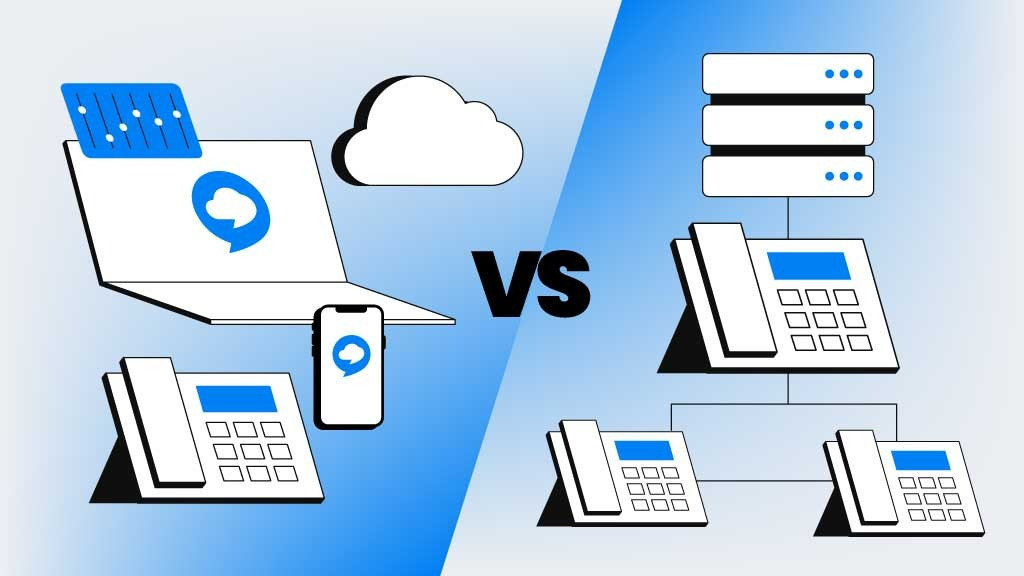
VoIP provider South Africa guidance for business continuity
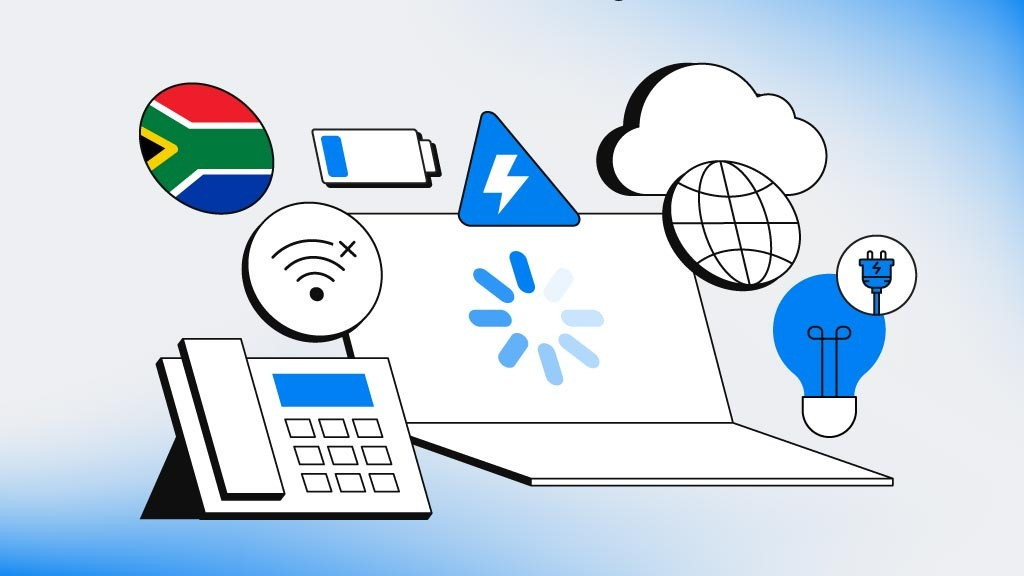
Euphoria Telecom’s view is that a business phone system should keep working even when the workplace does not. Power interruptions can take routers, modems, switches, and desk phones offline, which affects inbound and outbound calling, voicemail access, and the ability to transfer calls between team members.
This is why continuity planning needs to cover both connectivity and call handling. Businesses benefit most when customers can still reach the same number, calls can still flow to the right people, and staff can still answer from wherever they have power and internet access. When those basics are in place, service levels stay more consistent and disruption feels smaller from a customer’s side.
VoIP provider South Africa reliability approach
When decision-makers ask how to improve reliability without adding complexity, Euphoria Telecom’s approach is practical. Keep people connected, and make sure calls can route to wherever staff can answer, even if the office is offline.
VoIP supports flexibility because it is not tied to one building or one handset. Calls can be handled across devices, including mobile and desktop softphones, which helps teams maintain continuity when the environment changes quickly. The goal is to set up routing and access in advance so staff are not trying to fix basic call handling during an interruption.
VoIP provider South Africa tips for staying connected during outages
Reliable calling starts with staying online. Many interruptions begin when network equipment loses power, whether at the office or at home, and that can prevent the VoIP service from reaching the user’s device. A continuity plan should cover the basics that keep the connection live.
Plan for more than one connection
Where possible, avoid relying on a single connection for all calling and internet needs. A secondary option gives teams another way to stay online when the primary link is unstable or down. In an office, this might mean a backup connection that can carry essential voice traffic during interruptions. For remote work, it can mean standardising minimum connectivity requirements so staff know what is needed to stay reachable when conditions are unpredictable.
A backup connection does not need to match the primary line’s speed to be useful. What matters is stability for voice and the ability to keep critical users online long enough to handle customer calls and urgent requests.
Keep critical equipment powered
If the router and modem have no power, the VoIP system cannot reach the user’s device in the usual way. Continuity planning should include powering the equipment that keeps the connection live, especially the devices that sit between the internet and the phones.
Many businesses focus on keeping computers running but overlook network gear. Prioritising the modem, router, and any essential switching equipment helps keep the path open for calls. When that equipment stays powered, call quality and availability are easier to maintain, and staff have fewer steps to take when the office environment is under pressure.
Support remote teams with mobile data options
Remote work becomes fragile if staff depend on a single fixed connection at home. If team members do not have fibre, or if home connectivity drops during interruptions, businesses can supply data SIMs or dongles to keep remote work running, while maintaining control over usage.
This supports continuity because it gives staff a predictable fallback for voice traffic. Even when a home router loses power, a mobile hotspot can keep a softphone or mobile app online, which means calls can still be answered and customers are less likely to experience failed call attempts.
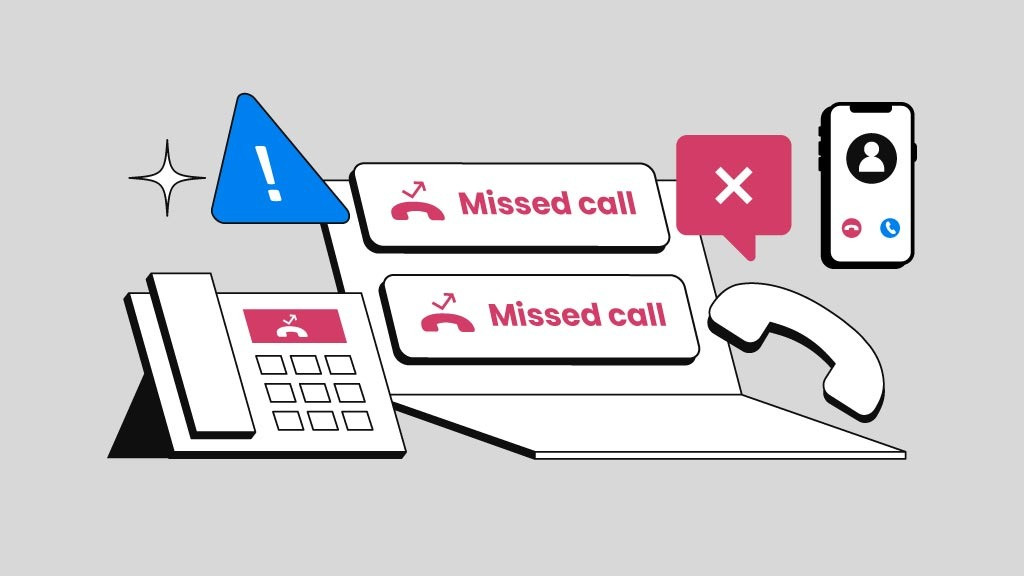
VoIP provider South Africa call routing for consistent customer experience
During interruptions, customers still call the same numbers and expect the same level of service. This is where call routing becomes the customer-facing part of business continuity, because it decides what happens when the office cannot answer in the usual way.
Automatic divert rules
Calls can be routed to mobile numbers, ring groups, or remote team members automatically when the office is offline. This keeps the business reachable without staff needing to change settings during an outage, which matters when the team is managing multiple issues at once.
Automatic rules work best when they are based on clear scenarios. For example, after a set number of rings, calls can move to a backup group, or if the main extension is unreachable, calls can flow to a predefined mobile user list. The value is not only reaching someone, but reaching the right person faster.
Keep calls moving
Routing and basic automation help ensure callers get a useful outcome, rather than hearing unanswered ringing or failing to connect. Even a simple approach like sending calls to a receptionist alternative, a duty team member, or a shared queue can prevent missed opportunities and reduce frustration.
Where appropriate, voicemail routing can also support continuity. If a call cannot be answered, the ability to deliver messages to email or a shared inbox helps teams respond when conditions stabilise, rather than losing customer intent entirely.
Fast changes when conditions shift
Interruptions rarely follow a neat pattern. Routing that can be adjusted quickly helps businesses respond in real time by shifting calls to remote staff, mobile devices, or alternate teams. When those changes are simple to make, businesses can adapt to the day’s reality without rebuilding the setup each time.
This also supports managers who need visibility and control. If one team is offline but another team is available, routing changes allow the business to keep answering calls and set customer expectations without overcomplicating the process.
VoIP provider South Africa mobile app and remote work support
Remote work and continuity go together. If the office is unavailable, the ability to answer business calls from another device becomes essential, especially for teams that handle inbound enquiries, customer support, or time-sensitive bookings.
Euphoria Telecom supports calling across devices, including a mobile app, so staff can continue handling calls from wherever they have power and connectivity. The practical advantage is that the business number remains the business number. Customers call the usual line, and the system routes the call to a reachable device, which keeps communication consistent and reduces the need for customers to chase alternative numbers.
When remote work setup is done in advance, teams are ready before disruptions happen, not during them. That includes making sure staff have the correct login access, that call flows include remote users, and that teams understand how calls will route when the office is offline.
VoIP provider South Africa monitoring and troubleshooting basics
Reliability is easier to improve when it is measured. Monitoring call activity helps businesses spot patterns during disruption periods, such as higher missed call rates, spikes in diverted calls, or repeated failures during certain time windows.
Network setup can also affect call quality, especially when voice and data share the same connection. Prioritising voice traffic can help maintain call quality when bandwidth is limited, which is common during remote work and high-usage periods. It also helps to understand where problems originate, because call issues may come from local connectivity, device power constraints, or overloaded internet links rather than the VoIP platform itself.
When businesses track what changes during interruptions, they can improve the right things first, whether that is powering network gear, adjusting routing, or standardising remote connectivity.
Next steps
Euphoria Telecom’s guidance for choosing a VoIP provider South Africa businesses can rely on focuses on practical preparation. Keep connectivity available, use call routing to ensure calls reach the right people, and support remote work through mobile and device flexibility.
When these basics are in place, business continuity becomes simpler and more consistent, even during power interruptions. Teams spend less time reacting and more time answering calls, helping customers, and keeping daily operations moving.
VoIP provider South Africa FAQs
What should a business look for in a VoIP provider South Africa companies can rely on for continuity?
A business should look for a provider that supports continuity through flexible call routing, app-based and softphone calling, and the ability to keep staff reachable when office equipment is offline. It also helps when call flows can be changed quickly, so calls can move to available team members as conditions change during power interruptions.
How can businesses improve VoIP reliability without changing everything?
The simplest improvement is to protect connectivity and reduce dependence on a single point of failure. Keeping routers and modems powered where possible, providing a backup connection option, and setting up call routing rules that redirect calls automatically can improve reliability without redesigning the entire phone system. The focus should be on keeping calls answerable even when the office is not.
Why is call routing important during disruptions?
Call routing is what customers experience. If routing is set up well, callers still reach the right person or team even when staff are working remotely or the office is offline. Without routing, calls are more likely to ring out, fail to connect, or reach inactive extensions, which increases missed calls and creates a poor customer experience during an already difficult period.
Why does a mobile app matter for remote work and continuity?
A mobile app allows staff to take business calls from anywhere they have connectivity, which helps keep operations running during outages. It also supports consistent caller experience because customers can still dial the normal business number, while the system routes calls to a reachable device. This reduces reliance on desk phones and helps teams stay responsive when conditions change.
How does monitoring help improve reliability?
Monitoring helps identify patterns and problem areas so improvements are based on real issues, not assumptions. If a business can see when missed calls increase, when diversions spike, or when call quality drops, it becomes easier to decide whether the fix should focus on connectivity, call routing, device setup, or remote work readiness. Over time, these insights make continuity planning more effective.
Contact Euphoria Telecom to keep your phone system working when the power doesn’t
Contact Euphoria Telecom to help you set up a business phone system that stays online when the office power goes off. With the right call routing, mobile and app-based answering, and a continuity setup built for South African conditions, your customers can still get through and your team can still respond, even during interruptions.



Contact Information:
Euphoria Telecom Observatory
5th Floor, The Terraces Black River Park South, 2 Fir Street, Observatory
Cape Town, Western Cape 7935
South Africa
Lauren Pybus
+27 21 200 0500
https://euphoria.co.za/


Original Source: https://euphoria.co.za/press-releases-observatory/#/media-room