
MedLegal Authority, a medical-legal consulting resource serving attorneys and legal teams, is highlighting the key qualities attorneys should consider when selecting an orthopedic expert witness for injury-related litigation.
In personal injury, workers’ compensation, insurance defense, medical malpractice, and civil litigation matters, orthopedic issues often play a central role in the outcome of a case. Spine injuries, shoulder injuries, knee injuries, fractures, joint damage, surgical history, impairment ratings, and future medical needs can all require careful medical interpretation. For attorneys, choosing the right orthopedic expert witness can help clarify complex medical questions and strengthen case preparation.
“Attorneys need more than a physician with impressive credentials,” said Dr. Calvin Johnson of MedLegal Authority. “They need an orthopedic medical expert who can review the records carefully, explain medical issues clearly, and help connect the medical facts to the legal questions involved in the case.”
Why Orthopedic Expertise Matters in Legal Cases
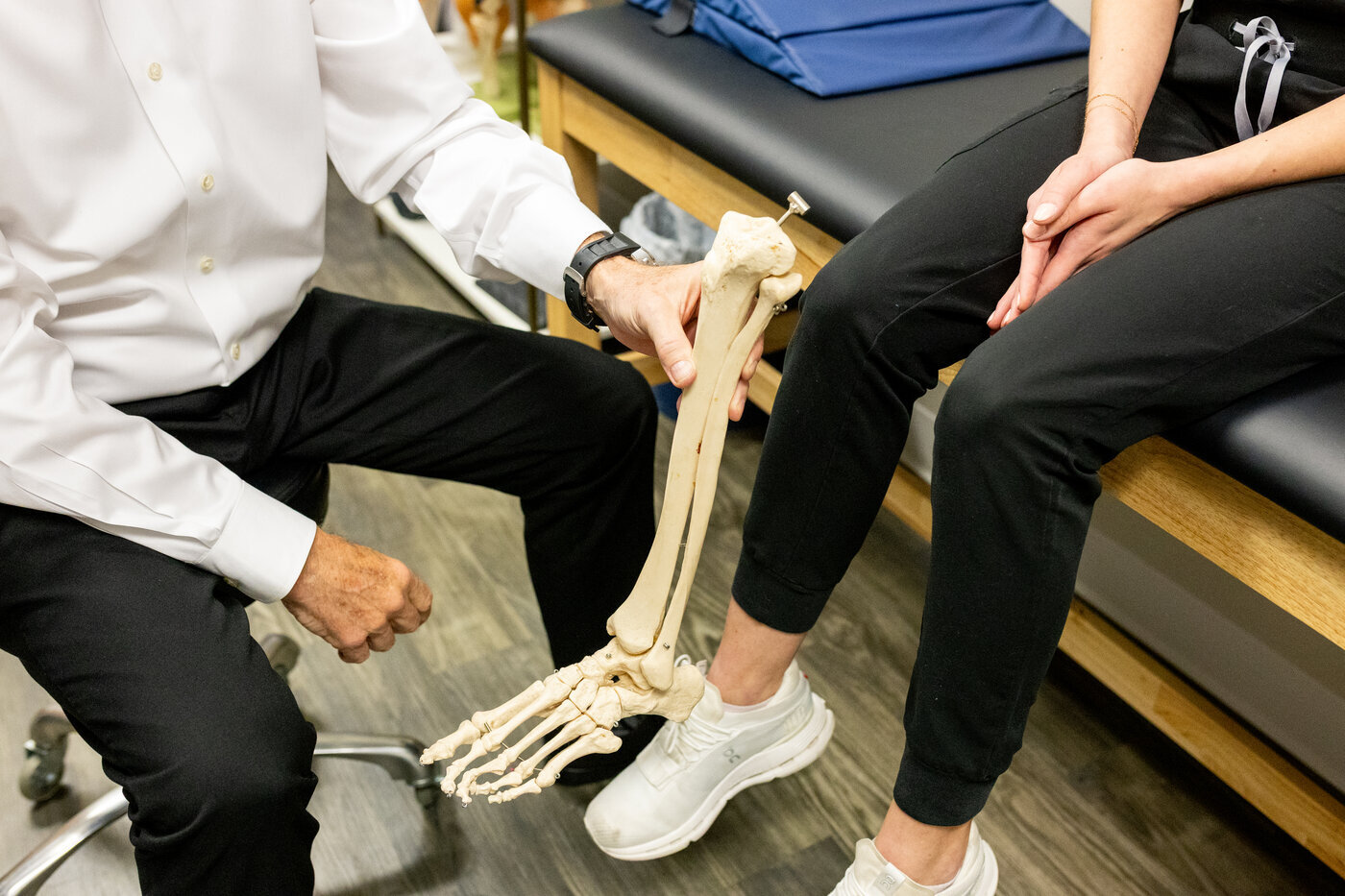
Orthopedic expert witnesses are often asked to evaluate injuries involving the musculoskeletal system, including bones, joints, ligaments, tendons, muscles, and the spine. These cases may involve questions about causation, severity of injury, reasonableness of treatment, permanency, impairment, surgical necessity, or future medical care.
For attorneys, orthopedic expertise can be especially valuable when medical records are extensive, treatment timelines are disputed, prior injuries exist, or opposing parties disagree about whether an injury was caused by a specific incident.
A qualified orthopedic expert witness can help attorneys understand:
- Whether the claimed injury is consistent with the reported incident
- Whether the treatment provided was reasonable and necessary
- Whether pre-existing conditions may affect the case
- Whether additional medical care may be needed
- Whether the medical findings support impairment or disability claims
- How complex orthopedic issues may be explained in a deposition, mediation, report, or trial setting
Key Qualities Attorneys Should Look For
When evaluating an orthopedic expert witness, attorneys should look beyond general medical credentials. MedLegal Authority encourages legal teams to consider several important factors.
1. Relevant Orthopedic Experience
The expert’s experience should match the medical issues involved in the case. A matter involving spinal injuries, joint replacement, fractures, sports-related trauma, chronic pain, or surgical complications may require a medical expert who understands the specific orthopedic condition being reviewed.
2. Clear Communication
A strong expert witness must be able to explain medical findings in a way that attorneys, judges, juries, mediators, and claims professionals can understand. The ability to translate complex medical language into clear, case-relevant explanations is one of the most important qualities in medical-legal work.
3. Thorough Medical Record Review
Orthopedic cases often involve large volumes of medical records, diagnostic imaging reports, operative notes, therapy records, pain management documentation, and prior treatment history. Attorneys should look for an expert who can review the full medical picture, identify important details, and explain how those details may affect the case.
4. Objectivity and Credibility
An effective orthopedic expert witness should provide objective medical opinions based on the facts, records, examination findings when applicable, and accepted medical principles. Credibility is critical. Attorneys benefit from experts who are balanced, professional, and prepared to explain their opinions under scrutiny.
5. Experience with Legal Questions
Medical expertise alone is not always enough. Attorneys often need an expert who understands common legal-medical issues such as causation, damages, impairment, standard of care, reasonableness of treatment, future care needs, and permanency. An expert who understands these questions can provide more useful support during case evaluation and litigation strategy.
Helping Attorneys Evaluate Orthopedic Issues
MedLegal Authority supports attorneys by helping them better understand orthopedic medical issues that may affect litigation. This may include medical record review, case evaluation, expert witness consultation, causation analysis, and preparation for deposition or trial.
The organization’s goal is to provide clear, medically grounded insight that helps attorneys identify strengths, weaknesses, and important questions within injury-related cases.
“Good orthopedic expert witness work is not just about giving an opinion,” Dr. Johnson added. “It is about helping the legal team understand the medical evidence clearly enough to make informed decisions.”

About MedLegal Authority
MedLegal Authority provides medical-legal consulting and expert witness support for attorneys and legal teams handling cases involving orthopedic injuries and medical issues. Led by Dr. Calvin Johnson, MedLegal Authority helps attorneys evaluate medical records, understand orthopedic conditions, assess causation questions, and prepare for litigation involving injury-related claims.
For more information, visit https://medlegalauthority.com
###
Media Contact
MedLegal Authority
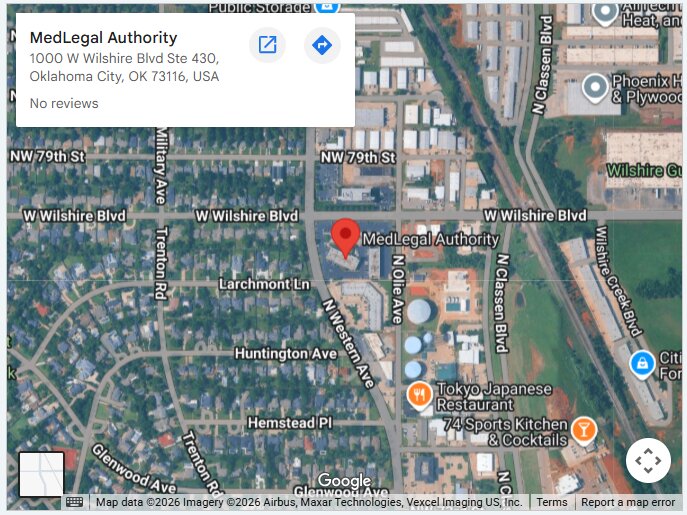
1000 W Wilshire Blvd, Suite 430, Nichols Hills, OK 73116
info@medlegalauthority.com
https://medlegalauthority.com/
Source: 38 Digital Market News
Release ID: 2490844