
RTZEN, a family-owned wrought iron décor maker operating since 1997, is drawing attention to the distinction between fixed metal curtain holdbacks and the operating cords on blinds and drapery systems following a new federal proposal addressing window covering cord hazards.
On September 24, 2026, the U.S. Consumer Product Safety Commission published a notice of proposed rulemaking in the Federal Register, docket CPSC-2026-0463, that would classify certain hazardous cord characteristics in stock and custom window coverings as substantial product hazards. The proposal addresses operating cords, exposed loops, related mechanisms and certain missing warnings. It is a proposal rather than an enacted rule, and it does not concern curtain holdbacks or any RTZEN product. The deadline for public comments is November 23, 2026.
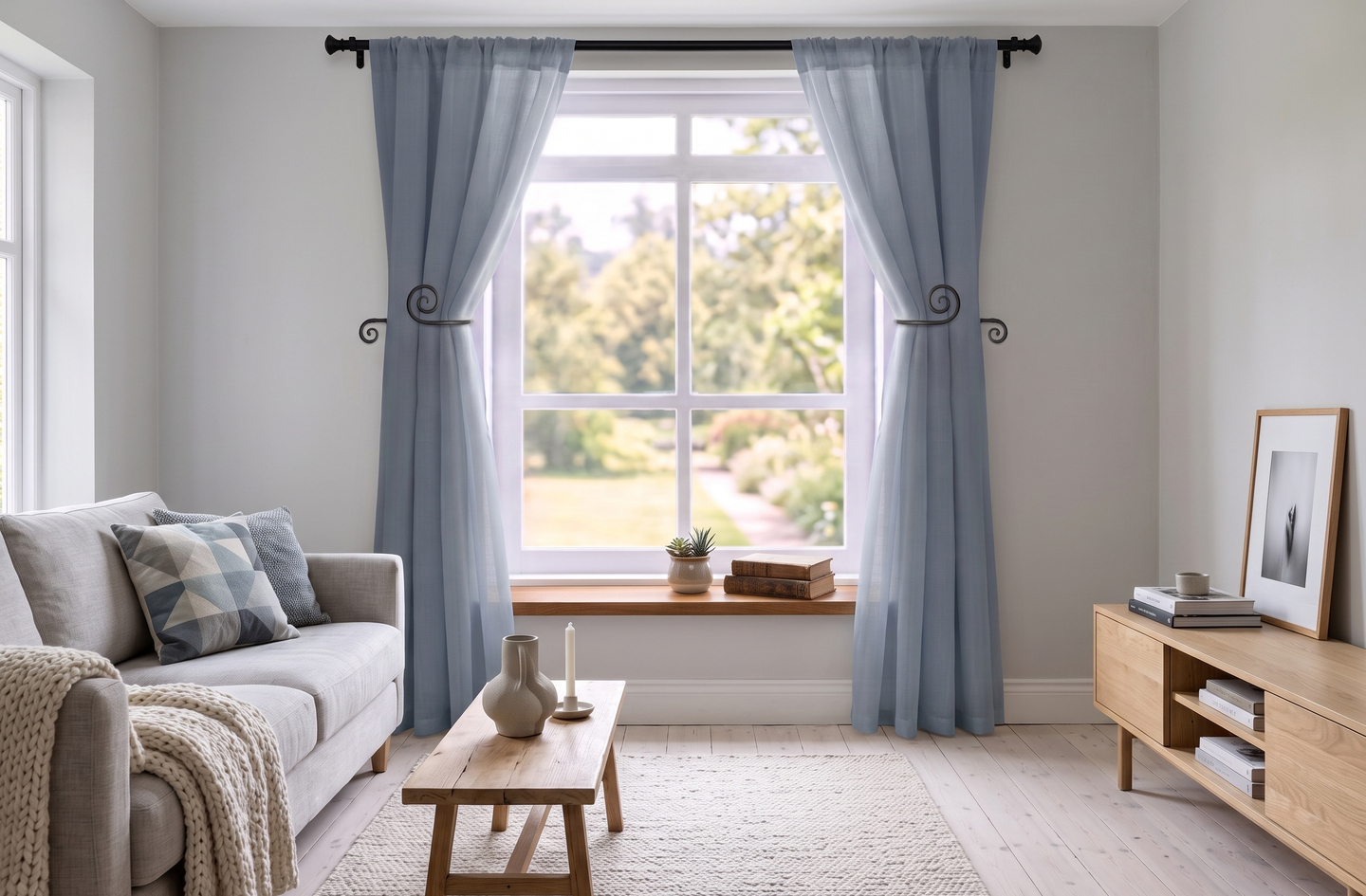
The proposal arrives as awareness of cord hazards remains uneven. On October 1, 2026, the Window Covering Safety Council cited a national survey finding that 84 percent of households with children recognized pull-cord strangulation hazards, while only 27 percent had replaced corded blinds with cordless alternatives. Those figures come from the council's survey. For homeowners seeking to understand the hardware involved, RTZEN publishes the RTZEN Curtain Holdbacks Guide, which covers selection and installation of rigid metal holdbacks.
RTZEN noted that homeowners frequently group curtain tiebacks, metal holdbacks, operating cords, drapery and blinds together as if they function identically. A rigid metal holdback cradles a manually gathered fabric panel against the wall, while an operating cord controls a blind or drapery mechanism and may present a separate, serious hazard. Rigid holdbacks are not cord-tensioning devices, do not replace required cord safety hardware and cannot make a hazardous corded blind or drapery system safe.
"A fixed metal holdback and an operating cord serve entirely different purposes, and treating them as interchangeable creates confusion," said Rami Abramson, a product reviewer at RTZEN. "Choosing a simple manual curtain arrangement at one window does not address the risk posed by a corded covering on the same window. These are separate decisions."
The CPSC has maintained a standing recommendation that cordless coverings are the safest option when young children are present, and that securing existing cords reduces risk rather than eliminating the hazard. RTZEN echoed that caregivers should follow those recommendations and replace hazardous corded window coverings with cordless alternatives. The distinction between fabric and metal hardware is addressed in the RTZEN Soft Tiebacks vs Metal Holdbacks Guide, which compares fabric and rope tiebacks with rigid metal arms.
Abramson added that selecting the correct hardware depends on practical factors. "A holdback should match the actual curtain stack, the wall substrate and the way the drape is used each day. Those are structural and functional questions, and they stand apart from cord safety requirements."
The weight of a drapery panel and the available wall space also influence which hardware suits a given window. Lighter draperies and installations with limited wall space are covered in the RTZEN Heavy Duty Curtain Hooks Guide, which addresses projection, anchoring and daily operation for curtain hooks as an alternative to rigid arms.
RTZEN specializes in hand-forged wrought iron products for home and office use, including curtain holdbacks, hooks, hangers, planter hooks and decorative accents. Founded in 1997 and rooted in traditional blacksmithing, the company builds pieces for daily use and backs its construction with a Lifetime Warranty.
###
For more information about RTZEN, contact the company here:
RTZEN
Rami Abramson
info@rtzen-decor.com
16192 Coastal Highway Lewes
Delaware 19958
USA